What California is known for can help you choose where to go, but its famous names are spread across a very large state. Hollywood, the Golden Gate Bridge, Yosemite and Napa Valley represent different regions and different kinds of visits. Trying to combine them without a plan can leave more time on the road than at the places you came to see.
California’s identity also reaches beyond attractions. Film, music, technology, farming, wine and community activism have shaped how people understand the state. This guide connects those influences with real places, explains the history behind familiar landmarks, and highlights details that help you choose a region or explore a particular interest.
The Landscapes California Is Known For
California’s geography is one reason its reputation is so varied. A Pacific coastline, high mountains, inland farming valleys and deserts exist within the same state. Those landscapes also influence settlement, food production, outdoor recreation and the distances between attractions.
Coastline
The California Coastal Commission describes about 1,100 miles of coast from Oregon to Mexico. Coastline totals vary with the measurement method, especially around bays and islands. Along that coast are port cities, sandy beaches, rocky headlands and smaller communities. Whales, dolphins, seals and sea otters are associated with different stretches and seasons, so sightings are never guaranteed.
Mountains
The Sierra Nevada contains high peaks and the landscapes of Yosemite, Sequoia and Kings Canyon national parks. Farther north, the Cascade Range includes volcanic Mount Shasta and Lassen Peak. Mountain scenery does not mean easy year-round access: roads, trails and services vary with elevation and season. A valley viewpoint and a high-country hike can require very different preparation even within one park.
Deserts
The Mojave and Colorado deserts meet in Joshua Tree National Park. Joshua trees are associated with the park’s higher Mojave environment, while its lower Colorado Desert landscape includes plants such as creosote bush and cholla. This is more than a change in scenery: elevation and season influence heat, walking conditions and how far apart services are.
Central Valley
The Central Valley includes the Sacramento and San Joaquin valleys and major cities such as Sacramento, Fresno and Bakersfield. Orchards, vineyards and fields contribute to California’s agricultural reputation. The valley is also a place where people live, study and work, not simply farmland between coastal attractions. Its produce connects rural communities with restaurants and markets throughout the state.
For trip planning, begin with a map of the region rather than a list of statewide highlights. Mountains can separate places that appear close together, while coastal roads may take longer than inland highways. Our guide to California’s size and distances explains why the shape of the state matters as much as its area.

Four Cities That Explain Different Sides of California
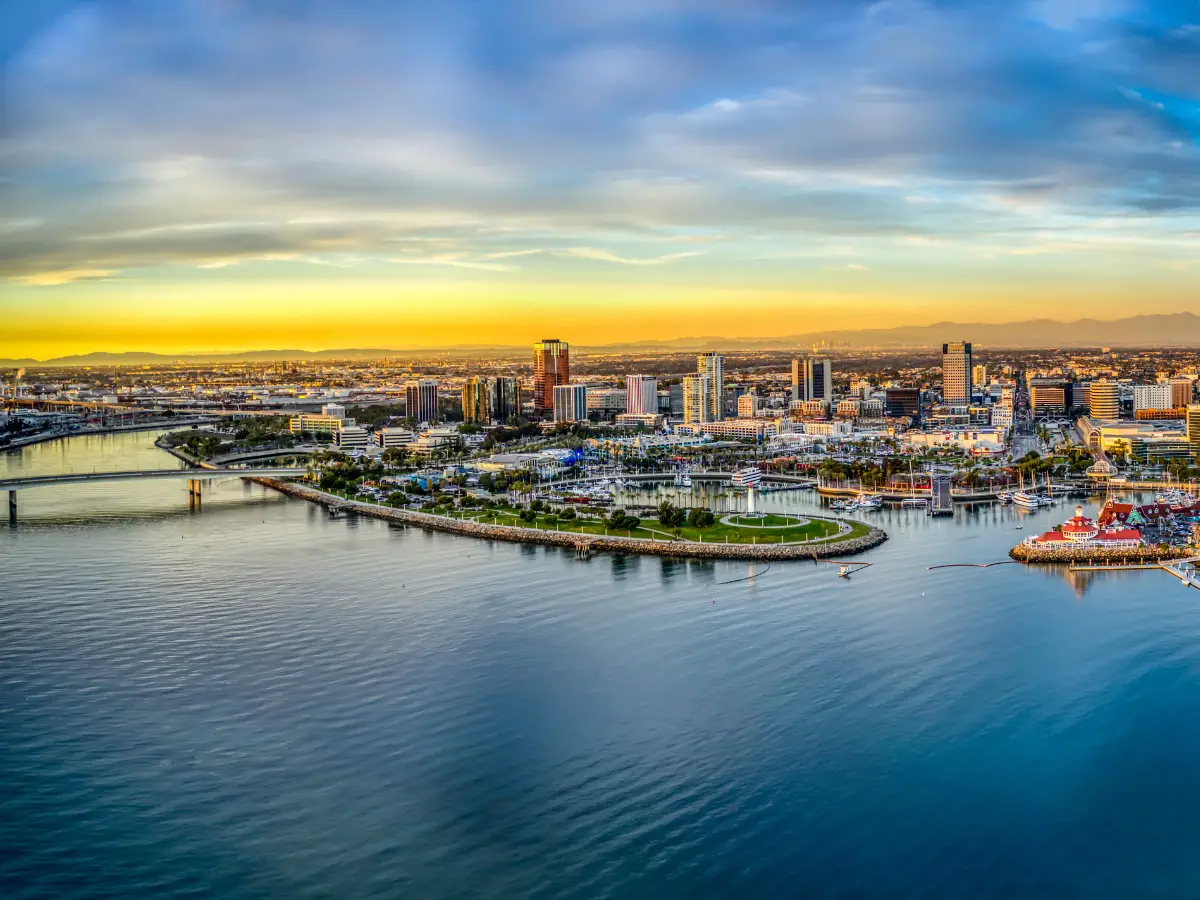
Los Angeles, San Francisco, San Diego and Sacramento are four useful starting points, each with a distinct role in the state’s identity. They are not simply the four largest cities: San Jose and Fresno, for example, also belong in discussions of California’s major urban centers. Choose a base around the activities and neighborhoods that interest you.
Los Angeles
Los Angeles brings together film history, museums, food neighborhoods and the Pacific coast across a large urban area. Hollywood’s Walk of Fame is one recognizable stop, while the Getty Center and Los Angeles County Museum of Art offer different ways into the city’s cultural life. Venice is within Los Angeles; neighboring Santa Monica is a separate city. Disneyland is farther away in Anaheim, so it deserves its own travel plan rather than being treated as a nearby Hollywood attraction.
San Francisco
San Francisco is known for the Golden Gate Bridge, cable cars and steep streets, but its neighborhoods help explain the city beyond those photographs. Chinatown, the Mission District, Golden Gate Park, SFMOMA and the de Young offer quite different visits. Alcatraz requires an island trip with a booked ferry. Napa and Sonoma wine country are outside the city, so combining a tasting excursion with a full day of San Francisco sightseeing can be more demanding than it appears on a map.
San Diego
San Diego combines beaches, Balboa Park’s museums and gardens, the San Diego Zoo and the waterfront USS Midway Museum. SeaWorld is in the Mission Bay area; LEGOLAND California is in Carlsbad, north of San Diego city. Mexican and border-region food traditions are part of the area’s identity. Plan around a cluster of nearby activities instead of assuming every attraction with a San Diego association is close to downtown.
Sacramento
Sacramento is California’s capital and a useful place to explore state government, railroad history and the Gold Rush era. Old Sacramento’s waterfront buildings, the California State Railroad Museum, the Capitol area and the Crocker Art Museum each tell part of that story. Its connection with nearby agricultural regions also shapes local markets and restaurants. Check the specific museum or public-building arrangements before setting the order of your day.
A city name can describe a municipality, a county or a wider metropolitan area. That distinction affects transport and accommodation choices. When comparing places, check the attraction’s actual address and the journey from your proposed base. It is often more useful to spend longer in one neighborhood than to cross an entire metropolitan region several times.
Natural Attractions
National parks, beaches and lakes account for many of California’s best-known images. They also cover very different environments. A coastal walk, a high-elevation lake visit and a desert hike should be planned around their own conditions rather than a single idea of California weather.
National Parks
California contains nine places designated as national parks, alongside other National Park Service units with different designations. The NPS California directory is a useful starting point for current park information. Four particularly recognizable examples are:
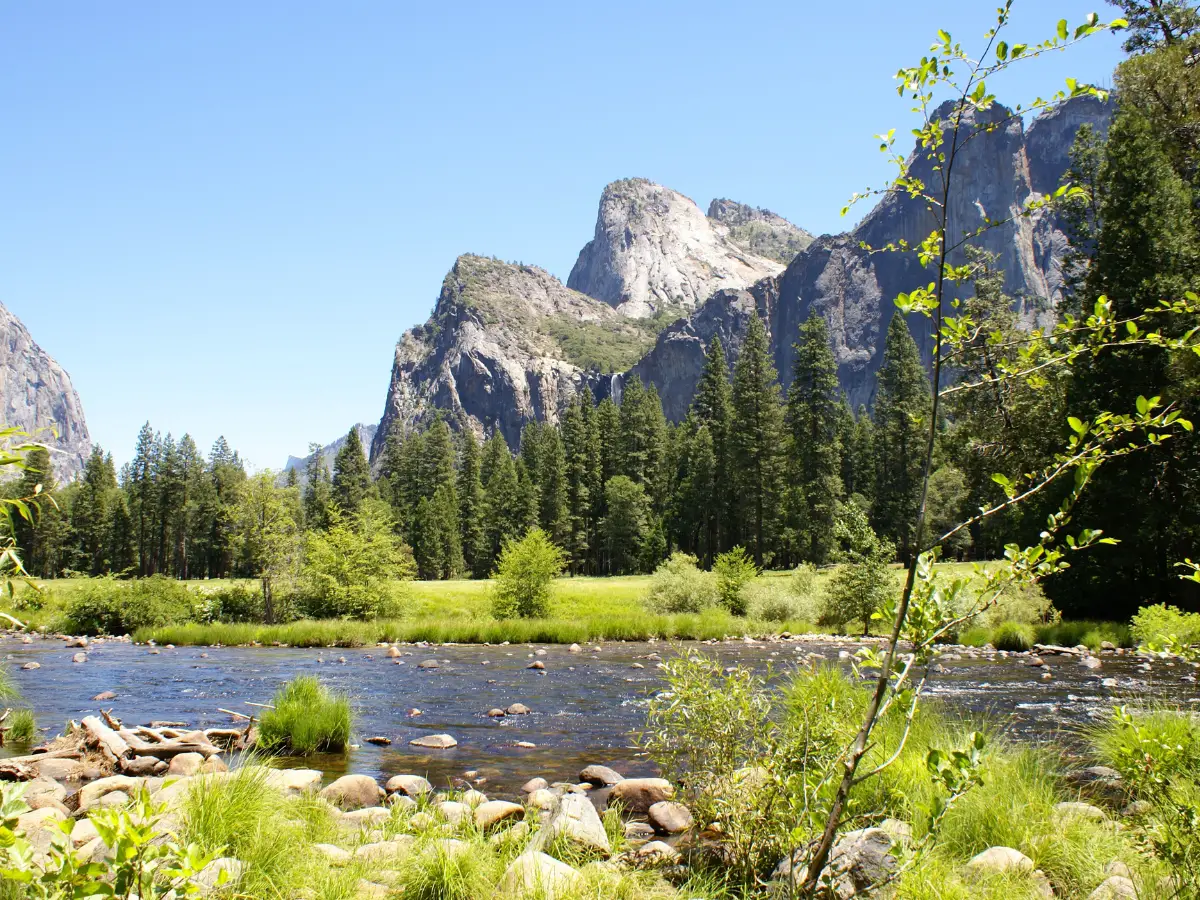
- Yosemite National Park: Granite cliffs, waterfalls and giant sequoia groves in different parts of a large mountain park. Choose the specific valley, grove or trail you want to visit, then check access and seasonal conditions.
- Sequoia National Park: Giant sequoia groves and mountain scenery, including the General Sherman Tree. The park’s scale and elevation mean that a grove visit and a longer backcountry walk require different amounts of time and preparation.
- Redwood National Park: Tall coast redwoods within a wider national and state parks partnership in northern California. Forest walks and coastal scenery can be combined, but check which park unit manages each stop.
- Joshua Tree National Park: Desert vegetation and rock formations where the Mojave and Colorado deserts meet. Walking, climbing and stargazing are different ways to experience the park; each depends on the season and suitable preparation.
Beaches
California’s beach towns range from urban waterfronts to quieter coastal communities. These examples show the variety, rather than a ranking of which beach is best:
- Santa Monica Beach: A beach and pier in the separate city of Santa Monica, west of Los Angeles. It can suit a waterfront day with nearby food and shops, without assuming it is in central Los Angeles.
- Venice Beach: A Los Angeles beachfront known for its boardwalk, skate culture and nearby canals. The waterfront and canal streets offer different experiences, so allow time for the part that interests you.
- La Jolla Cove: A small San Diego cove known for its coastal setting and marine life. Water conditions and wildlife rules matter. Check local guidance before swimming or snorkeling, and keep space around animals on shore.
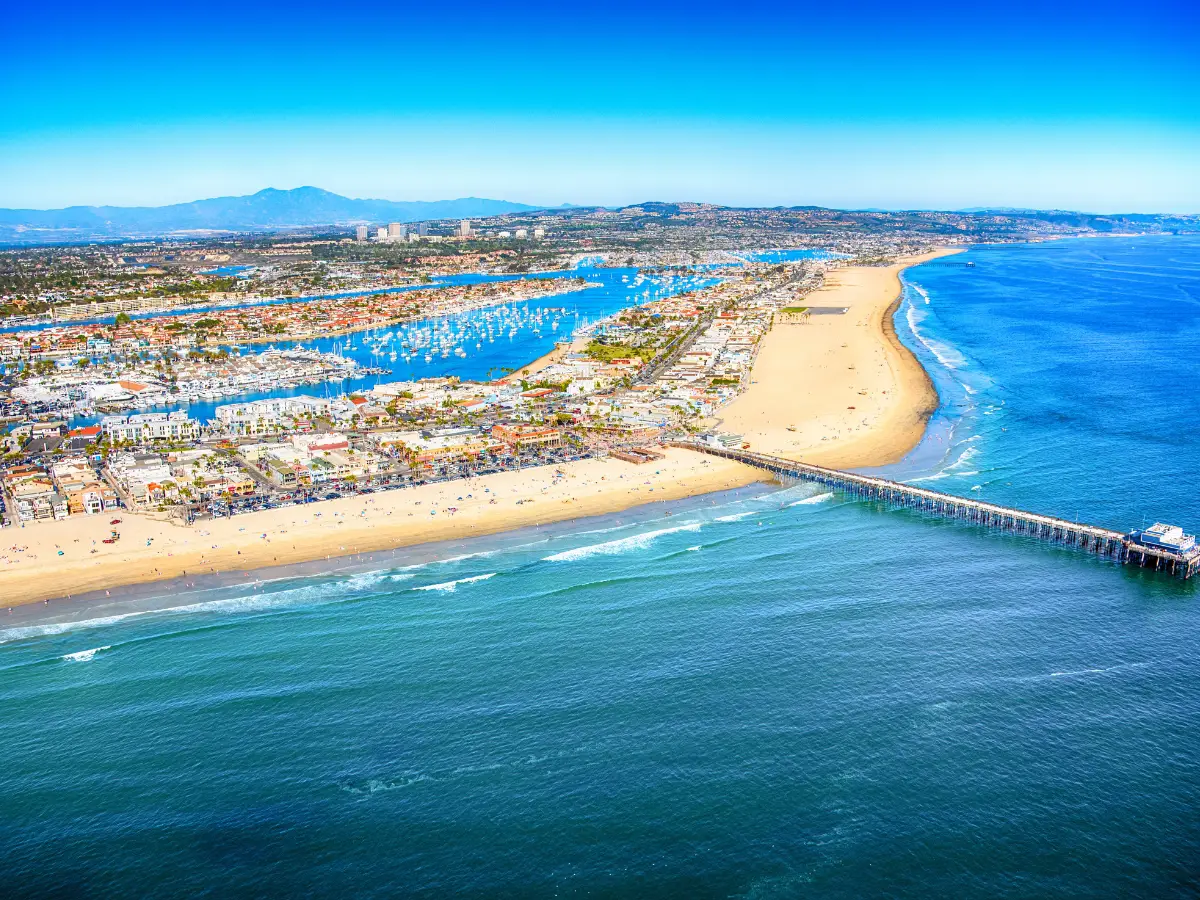
- Huntington Beach: A coastal city associated with surfing and its pier. A beach walk or watching the surf can be part of the visit without entering the water. Check local conditions for any planned water activity.
Lakes
Lakes add another set of landscapes, from high-elevation Tahoe to reservoirs and saline Mono Lake. The activities available depend on the location, season and water conditions:
- Lake Tahoe: A mountain lake shared by California and Nevada, with beaches, boating and nearby winter resorts. Distinguish activities on the lake from those at surrounding ski areas, and choose a shore as your base.
- Mono Lake: An eastern California saline lake known for tufa formations and bird habitat. Use designated access points and paths to explore the shoreline, and treat the formations and habitat with care.
- Shasta Lake: A northern California reservoir associated with boating, fishing and camping. Water levels and the facilities at individual access points affect what a visit involves, so check the area you intend to use.
- Big Bear Lake: A lake and mountain community in the San Bernardino Mountains. Boating and shore activities differ from skiing at nearby resorts; the season determines which version of a mountain visit you are planning.
Before committing to an outdoor day, check the managing park or local authority for access conditions. Mountain snow, desert heat, wildfire impacts and coastal conditions can change the practical plan. Choose the activity first, then confirm that the season, route and facilities suit it. A scenic name alone is not enough to judge a day’s difficulty.
Historical Significance
California’s history begins with its Native peoples, whose communities continue today. Spanish colonization, Mexican government, the Gold Rush and U.S. statehood changed the region through migration, conflict and land dispossession. Later labor, civil-rights and environmental movements added further layers. Historic sites are most useful when they explain those different experiences rather than presenting one uninterrupted story of progress.
Gold Rush
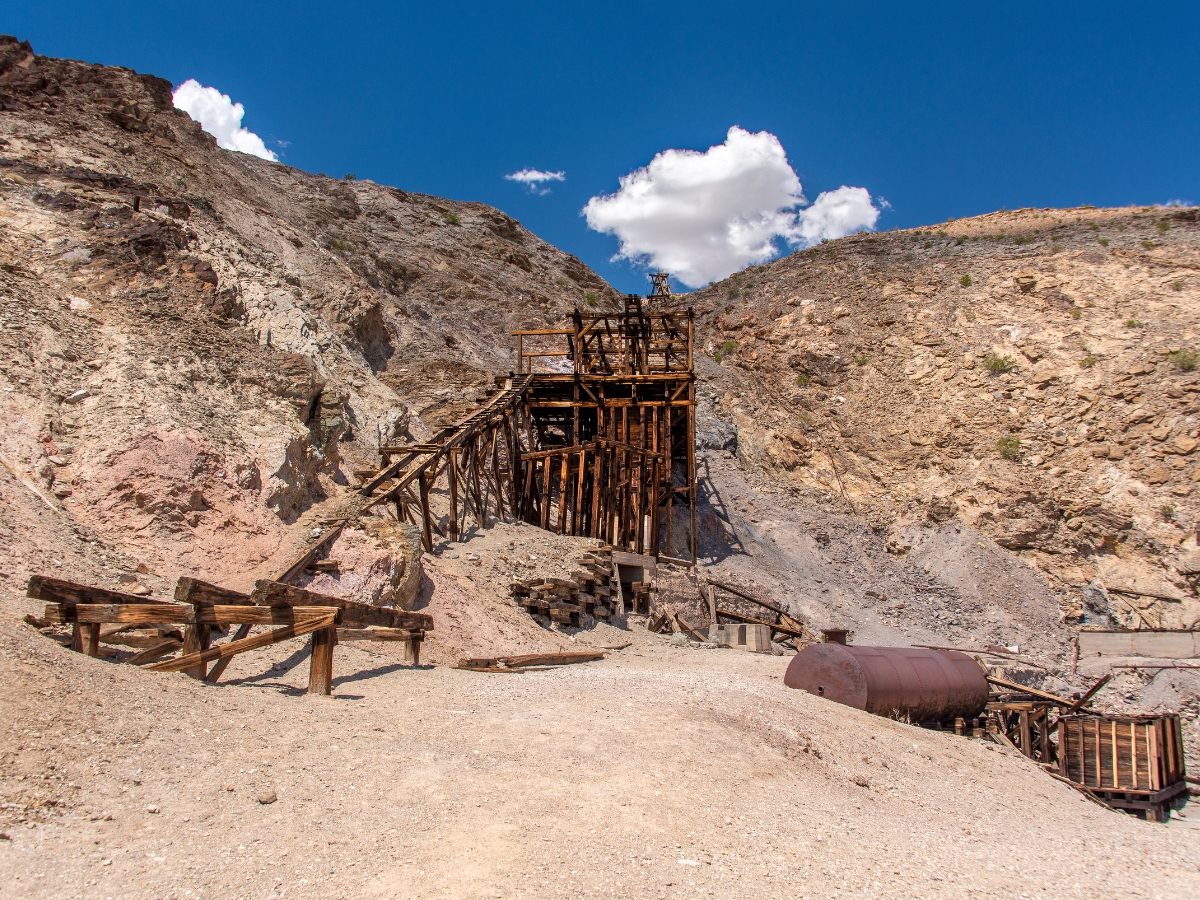
The Gold Rush began with James Marshall’s discovery at Coloma in January 1848, followed by the large arrival of fortune-seekers in 1849. Marshall Gold Discovery State Historic Park interprets the discovery and the town’s history. The movement of people and goods helped expand San Francisco and Sacramento, while mining changed waterways, landscapes and the region’s economy.
The familiar image of a successful prospector leaves out much of the story. Miners faced illness, violence, difficult conditions and uncertain earnings. Native communities experienced dispossession and exploitation, and newcomers did not face equal opportunities or treatment. California State Parks now gives greater attention to these experiences at sites such as Sutter’s Fort.
Political and Social Movements
California’s political history includes labor organizing, women’s suffrage and campaigns to reform government. Women won the vote in state elections in 1911, before the national constitutional amendment of 1920. These changes came through organizing and political conflict. They should not be taken to mean that every Californian shared one ideology or that access to political power was equal across communities.
César Chávez and Dolores Huerta are closely associated with farmworker organizing, alongside other leaders and the workers who sustained those campaigns. Environmental activism also became an important part of California’s public life. The first Earth Day in 1970 was a nationwide event, not an event founded by California alone. Local movements connected workplace conditions, land use and community concerns in different ways.
The state’s reputation for progressive politics describes one influence, not its complete political landscape. California also has conservative communities and a history of electing leaders from different parties. Housing, water, transport, agricultural policy and environmental regulation often expose disagreements within the state as well as between California and the federal government.
For a visitor, museums, historic sites and community-led interpretation can make these debates more concrete. Look for accounts that explain who lived in a place, whose labor supported it and how its use changed. That approach adds context to the better-known stories of the Gold Rush, movie studios and technological success.
Entertainment Industry
Film production, recorded music and theme parks have given California an audience far beyond its borders. Each is a different visitor experience: a working-studio tour, a concert and a theme-park day involve different locations, schedules and ticket arrangements. Their shared association with entertainment does not make them interchangeable.
Hollywood
Hollywood is both a Los Angeles neighborhood and shorthand for a much wider film and television industry. Paramount’s studio is in Hollywood, while Warner Bros. is in Burbank and Universal is in Universal City. Production work also happens elsewhere in California and around the world. Knowing the actual studio location matters when planning a tour or comparing it with a day in Hollywood itself.
The Hollywood Sign and Walk of Fame are public symbols of that industry, while a studio tour focuses on production spaces and interpretation. A recognizable studio name does not guarantee access to a particular set or a chance to see performers at work. Read the tour description and current visitor requirements before choosing the experience.
Music
California has helped shape surf music, rock, punk, hip-hop and many other musical traditions. The Beach Boys, Tupac Shakur, Kendrick Lamar and Metallica are associated with different places and periods in that history. Coachella in the desert and Outside Lands in San Francisco illustrate the range of settings, but festival dates, lineups and ticket arrangements change each year.
Record labels such as Capitol and Interscope form part of the industry’s business history, while smaller venues support everyday performances and emerging artists. For a music-focused visit, a specific concert may be a better starting point than a famous address. Check the venue’s location, age restrictions and return transport before booking accommodation around an event.
Theme Parks
Disneyland opened in Anaheim in 1955 and remains closely associated with California tourism. The resort includes Disneyland Park and Disney California Adventure, which are separate parks. Decide which experience you want before comparing ticket products. A general mention of Disneyland can otherwise hide important differences in entry arrangements and the time needed for a visit.
Universal Studios Hollywood combines a theme park with its studio-tour identity, while Six Flags Magic Mountain is known for roller coasters. These are different days in different locations. Compare the attractions your group actually wants to experience, then check the operator’s current calendar, admission conditions and transport or parking arrangements. Avoid relying on an old ticket price from a general guide.
Entertainment plans work best when the main event has enough space around it. Leave time for admission procedures, meals and the trip back, particularly after an evening performance. California’s reputation can make these experiences sound close together, but the practical differences between Anaheim, Hollywood, Burbank and the wider region are substantial.
Sports
California’s sports identity includes professional leagues, college teams, surfing, skateboarding and local recreation. Watching a game and taking part in an outdoor activity call for different planning. For spectators, the home venue matters more than the city in a team’s name; for participants, conditions and personal experience matter more than a location’s reputation.
California’s NFL teams are the 49ers, Rams and Chargers; the Raiders now play in Las Vegas. Check the NFL team directory for current listings. The 49ers play in Santa Clara, while the Rams and Chargers share SoFi Stadium in Inglewood. Account for the actual venue when choosing transport and overnight accommodation.
Surfing is closely associated with Huntington Beach, Malibu and Santa Cruz, among many other coastal communities. A famous surf break is not automatically suitable for beginners. If you want to learn, choose instruction and conditions suited to your ability. Watching from a public viewpoint or exploring a town’s surf history can also be a worthwhile part of a coastal visit.
Basketball fans will recognize the Lakers and Warriors, alongside the Clippers and Kings. Baseball has strong followings around clubs including the Dodgers, Giants, Padres and Angels. Team histories and rivalries are part of local culture, but the details of a visit depend on the current schedule and venue. Check both before making travel arrangements around a game.
Do not assume an online sportsbook is lawful simply because its website is accessible. A 2025 California Attorney General opinion explains the state’s prohibition on sports wagering and addresses daily fantasy sports. This guide does not recommend betting services; the sporting experience described here is attending, watching or participating in sport.
Before buying a match ticket, compare its total cost with transport, parking and any accommodation needed. Check the venue’s entry and bag rules and allow time to arrive. A smaller local or college event may suit your interests and schedule as well as a major professional fixture, especially when you want to experience a community rather than a particular team.
Technology and Innovation
California is associated with technology because of the companies, universities, research institutions and investors clustered in several regions. Silicon Valley is the most familiar name, but biotechnology, aerospace, software and other technical work extend beyond it. The state’s reputation comes from this broader network rather than from a single company or invention.
Silicon Valley generally refers to the southern San Francisco Bay Area and its technology ecosystem, rather than a municipality with one visitor center. Cupertino, Mountain View, Palo Alto and San Jose have different roles within it. A company address may be a working campus with limited public access, so check what a place actually offers visitors before making a special journey.
California has a large and varied economy that includes technology alongside healthcare, trade, manufacturing, entertainment and agriculture. The Bureau of Economic Analysis publishes GDP by state and industry breakdowns. Country rankings vary with the year, currency conversion and measure used, so an undated global ranking is a poor guide to the state’s present economic position.
Research, investment and skilled workers help connect ideas with commercial products. Universities, public research funding and established businesses all contribute to that process. It also involves unsuccessful ventures and uneven outcomes. Describing the region only through its largest companies misses the smaller suppliers, service workers and institutions that support its day-to-day activity.
Apple is associated with Cupertino and products such as the iPhone, iPad and Mac. Its public visitor experience should be distinguished from access to its working offices. For someone interested in technology, a museum or an explicitly advertised visitor facility can provide more context than arriving at a corporate campus and expecting an informal tour.
Google is associated with Mountain View and services including search, advertising, cloud computing and artificial intelligence. Alphabet, its parent company, also includes other businesses; the self-driving company Waymo should not simply be treated as a Google product. These distinctions help explain the region’s business structure without assuming that every activity under a familiar brand belongs to the same company.
If technology is your main interest, build the visit around a public exhibition, event or institution rather than a prediction about the industry’s future. Confirm opening arrangements and the scope of any tour. This gives you something concrete to see and avoids confusing a famous headquarters with an attraction designed to receive visitors.
Wine Production
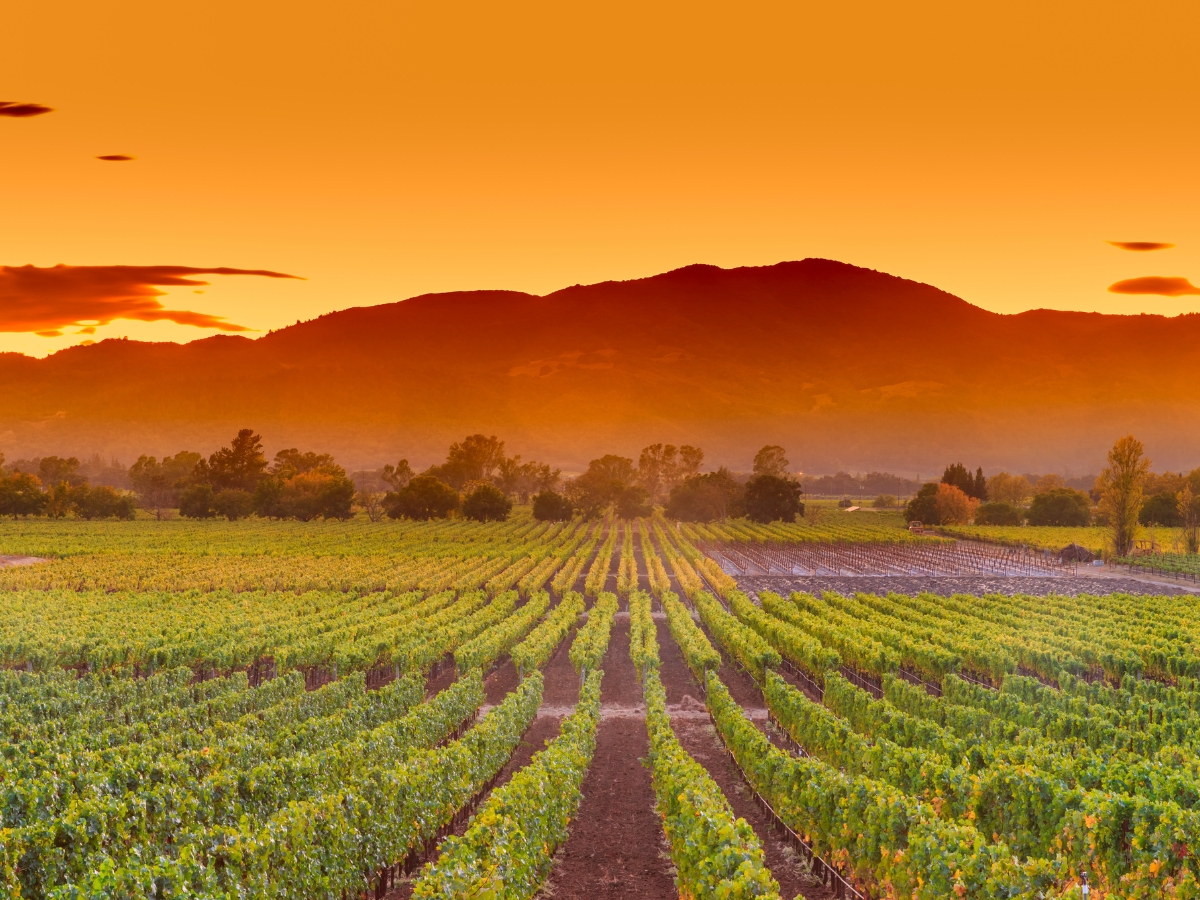
California is the leading U.S. wine-producing state. The Wine Institute’s May 2026 profile reports that California makes 81% of U.S. wine, with winegrapes grown in 49 of its 58 counties. That reach is broader than the best-known tasting destinations and includes both large producers and smaller businesses.
Napa Valley is particularly associated with Cabernet Sauvignon, while cooler areas also support varieties such as Chardonnay and Pinot Noir. It lies north of San Francisco, outside the city. A tasting visit works best when appointments are grouped geographically and there is time to enjoy each stop. Check each winery’s current visitor arrangements instead of assuming every producer accepts walk-ins.
Sonoma County contains several wine-growing areas with different coastal and inland influences. Chardonnay, Pinot Noir, Zinfandel and Cabernet Sauvignon are among the varieties associated with the county. Its size makes route planning important: two wineries with Sonoma addresses can still be far apart. Choose a town or a smaller growing area as the focus of a day.
The Central Coast, Santa Barbara and Mendocino are also important parts of California wine country. Climate, soil, elevation and exposure influence what growers plant and how wines develop. These regions provide alternatives to a Napa-focused itinerary, but each deserves attention to its own distances and visitor arrangements rather than being treated as an interchangeable tasting destination.
Winemaking involves choices about varieties, growing practices, harvest timing and production methods. California producers take different approaches, so a useful tasting visit explains those choices rather than relying on broad claims about innovation. Ask what is grown on the property, where the grapes come from and what distinguishes the particular wine or growing area.
Plan transport before booking tastings, and compare the stated tasting fee, cancellation terms and appointment length. Allow time for food and travel between stops. Non-drinkers may be interested in the scenery, towns or food, but check which experiences are offered separately rather than assuming a wine-tasting reservation provides a general property tour.
Famous Landmarks and How to Visit Them
The Golden Gate Bridge, Alcatraz and Hollywood Sign are recognizable symbols, but they are three very different places. One is a working transport crossing, one is an island historic site, and one is a protected hillside landmark. Understanding those differences makes it easier to choose an appropriate visit.
Golden Gate Bridge
The Golden Gate Bridge spans the strait between San Francisco and Marin County. Its setting at the entrance to the bay is as important to its appearance as the suspension structure itself. A shoreline viewpoint and a walk across the bridge offer different perspectives, so you do not have to cross it to appreciate the landmark.
Opened in 1937, the bridge is about 1.7 miles long, with towers rising 746 feet above the water. Its distinctive color is called International Orange. Fog can partly obscure the structure, while clear conditions reveal the bay and surrounding headlands. The weather and available time should help determine how far you plan to walk.
Pedestrians use the east sidewalk, while bicycle access follows arrangements that vary by time and day. Consult the bridge district’s current sidewalk guidance before going. This is a functioning bridge with rules and temporary restrictions, so do not assume that every sidewalk is open to both walking and cycling at all times.
Alcatraz
Alcatraz is an island in San Francisco Bay managed by the National Park Service. Its history includes military use, the federal prison and the Native American occupation of 1969 to 1971. A visit offers more than a collection of famous prisoner stories when those different periods are considered together.
The federal penitentiary operated from 1934 to 1963 and held prisoners including Al Capone and Robert Stroud. Cellhouse interpretation describes imprisonment and the people who lived and worked on the island. The prison’s reputation for security is part of its story, but it should not overshadow its wider military, community and Indigenous history.
Use the NPS Alcatraz visitor information to reach the authorized ferry operator and understand the visit. The standard experience includes a cellhouse audio tour, rather than necessarily a guide accompanying your whole group. Confirm your departure details and the ticket’s inclusions before booking, especially when comparing similarly named bay cruises.
Hollywood Sign
The Hollywood Sign began in 1923 as an advertisement for the Hollywoodland real-estate development. Its later association with film and television turned it into a symbol far beyond that original purpose. It stands above Los Angeles in the Hollywood Hills, so seeing it well usually means choosing a viewpoint rather than searching for a street address at the letters.
The sign’s letters are about 45 feet tall. Depending on the viewpoint, the word may appear at an angle or behind other features in the landscape. Decide whether you want a straightforward photograph or a longer hike. A closer route is not always the easiest route, and walking distance varies substantially by trailhead.
You cannot walk up to or touch the letters. The sign is fenced, and visitors must stay on authorized trails. The Hollywood Sign Trust lists hiking options with different lengths and difficulty levels. Select a named route and check its details rather than relying on a single generic “Hollywood Sign Trail” distance.
Choose landmarks that fit the region you are already visiting. The two San Francisco sites can form part of a Bay Area stay, while the Hollywood Sign belongs to a Los Angeles plan. Leaving time for neighborhoods, food and less famous places can give a fuller sense of California than collecting distant photo stops.
Redwoods, Sequoias and California Wildlife
California’s plants and animals reflect its many habitats. Coast redwood forest, oak woodland, chaparral, desert and alpine environments support different species. That variety is part of what makes the state recognizable, but the experience depends on the habitat you visit. There is no single place where all of California’s characteristic wildlife can be expected.
Coast redwoods and giant sequoias are related but distinct trees. Coast redwoods are associated with the northern coastal region and are celebrated for their height; giant sequoias grow naturally in Sierra Nevada groves and are celebrated for their immense trunks. Our guide to California tree types helps distinguish them from other trees you may encounter.
The General Sherman Tree in Sequoia National Park is the world’s largest living tree by trunk volume. It is not a tree you can walk or drive through. The park’s Tunnel Log is a different feature, and the famous tunneled Wawona Tree was in Yosemite before it fell in 1969. Follow designated paths around living trees.
Chaparral, oak woodlands and alpine meadows are habitats or plant communities, not individual plant species. Each includes plants adapted to its setting and provides food or shelter for wildlife. Looking at these communities adds context to a walk, particularly when you move from a shaded forest to a drier slope or a higher-elevation meadow.
Northern forests and other suitable habitats support animals such as deer, black bears, gray foxes, mountain lions, bobcats and Roosevelt elk. Their ranges and behavior differ, so a species list is not a promise of sightings on a particular trail. Reptiles and amphibians also vary by habitat; use a local park guide for identification rather than a broad statewide checklist.
Along suitable stretches of coast, visitors may see sea otters, harbor seals and elephant seals. California condors are associated with particular recovery areas, not every coastal or mountain destination. View wildlife from a distance and follow the managing park’s instructions. Approaching an animal for a better photograph can disturb it and change the encounter for others.
California’s best-known images become more meaningful when connected with their setting: a redwood grove with its forest habitat, a vineyard with its growing region, or a studio with the surrounding city. Pick the places that match your interests and give them enough time. That creates a more useful visit than treating the state’s reputation as a checklist.